AI Workflow Management for Business Operations
AI workflow management helps businesses classify, route, and track work with less manual effort, improving speed, consistency, visibility, and operational.
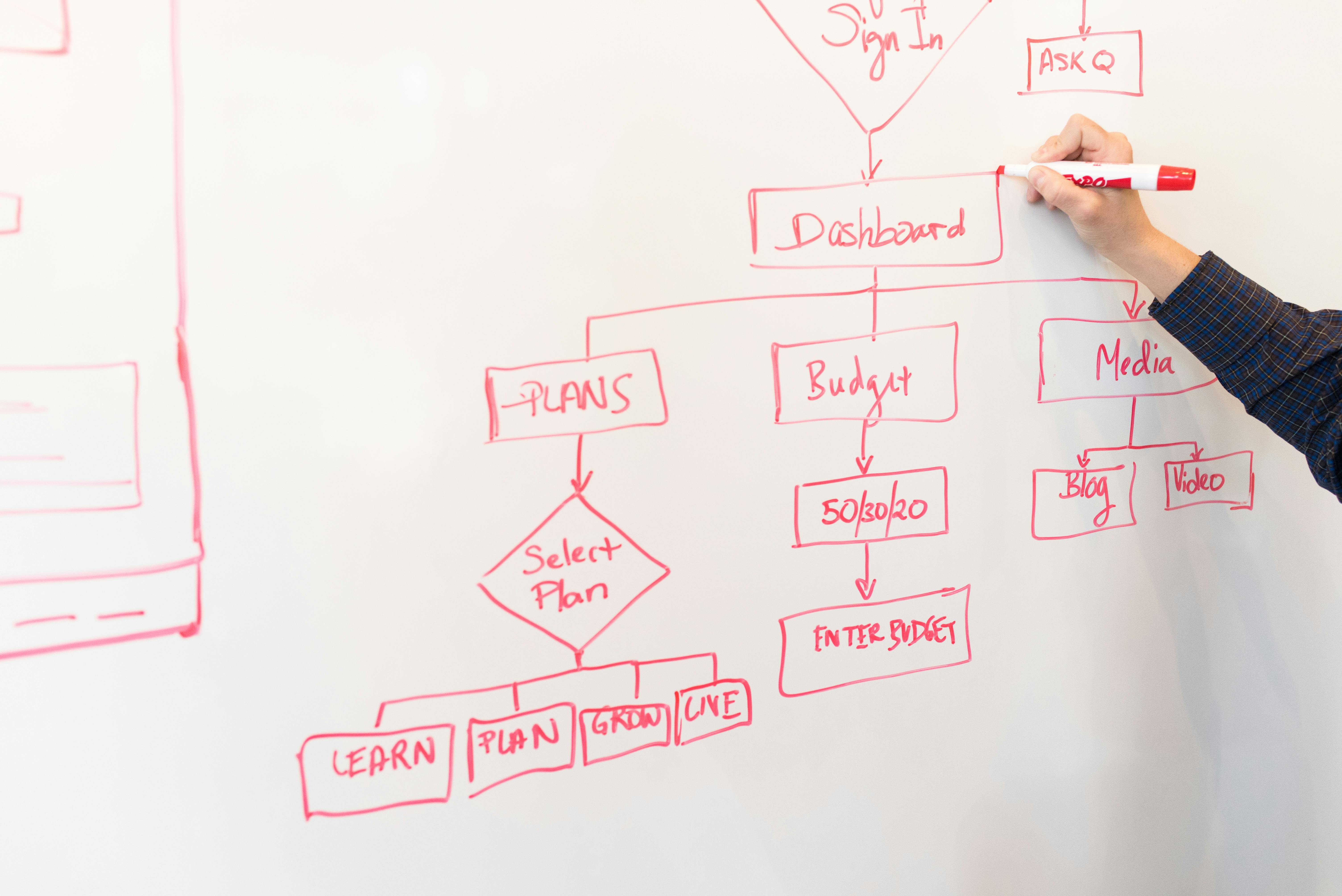
As businesses grow, operations often become more difficult to manage. Requests come in through email, forms, shared inboxes, spreadsheets, PDFs, and internal systems. Teams spend valuable time sorting work, forwarding information, chasing approvals, re-entering data, and checking status updates. These tasks are necessary, but they slow execution and make scaling more difficult.
AI workflow management uses AI and workflow automation to capture incoming work, classify requests, extract key information, route tasks, support approvals, and track progress with less manual effort. For small to mid-sized businesses, it helps reduce bottlenecks, improve consistency, and make operations easier to measure and scale.
AI workflow management addresses this challenge by combining workflow automation with AI-driven decision support so work can be captured, classified, routed, and tracked with less manual effort. For small to mid-sized businesses, that means faster response times, fewer bottlenecks, greater visibility, and more consistent operations across teams.
Instead of relying on employees to constantly monitor inboxes, move files, or decide where each request should go, AI workflow management helps standardize the process. It does not replace business judgment. It strengthens operations by making routine handling, routing, and follow-up more efficient.
Why Businesses Need AI Workflow Management
Many operational problems are not caused by a lack of effort. They stem from fragmented processes.
A typical business may have:
- Customer or vendor requests arriving through multiple channels
- Documents that must be reviewed before work can begin
- Approvals that depend on the right person seeing the request at the right time
- Data copied manually between systems
- Limited visibility into where work is delayed
Over time, these issues create real operational friction. Work sits in inboxes. Requests are routed inconsistently. Teams follow different rules. Managers struggle to see volume, turnaround times, and exceptions.
This is especially common in growing companies where processes evolved informally. A workflow may function well when one person handles it, but break down as volume increases or responsibility is shared across departments.
According to the National Institute of Standards and Technology, effective AI adoption depends on governance, reliability, and fit for purpose. In business operations, that means applying AI where it improves process execution in a controlled, measurable way.
How AI Workflow Management Works
AI workflow management improves operations by helping businesses handle incoming work more intelligently and move it through the right process steps with less manual intervention.
1. Capture and classify incoming work
AI can review emails, forms, attachments, and documents to determine what a request involves, what information is included, and what should happen next. This is especially useful when work arrives in inconsistent formats.
For example, an incoming message might be identified as a billing issue, service request, onboarding task, or vendor submission. That classification can automatically trigger the correct workflow.
2. Route work to the right team or person
Once a request is understood, AI workflow management can support routing based on rules and context. That may include department, urgency, customer type, document completeness, or approval thresholds.
This reduces the need for employees to manually triage requests and helps ensure work reaches the right queue faster.
3. Extract and validate information
Many workflows depend on data trapped inside PDFs, forms, invoices, contracts, or onboarding documents. AI can help extract key fields and prepare that information for review or system entry. For a deeper look at this use case, see our guide to AI document processing for business workflows.
When paired with validation rules, this can reduce manual data entry and improve consistency.
4. Support approvals and exception handling
Not every workflow should be fully automated. In many businesses, approvals still require human review. AI workflow management helps by organizing requests, surfacing relevant information, and sending items to the right approver with the right context.
It can also identify exceptions, such as missing fields, unusual requests, or incomplete submissions, so employees can focus their attention where it is needed most.
5. Improve visibility and reporting
When workflows are structured and tracked, businesses can see where work is moving smoothly and where it is getting stuck. This helps managers monitor service levels, identify bottlenecks, and improve processes over time.
The U.S. Small Business Administration emphasizes operational planning and process discipline as core drivers of business growth. AI workflow management supports that discipline by making workflows more measurable and repeatable.
What AI Workflow Management Helps Automate
AI workflow management is most valuable when applied to recurring operational processes. Common examples include:
- Inbox triage: classify incoming messages, extract details, assign priority, and route requests
- Document intake: review submissions, extract fields, and flag missing information
- Approval routing: send requests to the correct approver based on rules, thresholds, and context
- Status tracking: monitor queue volume, turnaround times, delays, and exceptions
- Onboarding workflows: coordinate intake, documents, task assignment, and follow-up across teams
- Manual data entry reduction: structure information before review or system entry
Inbox automation
Shared inboxes often become a manual routing layer for the business. AI can read incoming messages, identify intent, extract key details, assign priority, and route requests to the right team. Learn more about AI inbox automation for business workflows.
Document processing
Businesses receive invoices, applications, onboarding packets, claims, compliance forms, and other documents that require review. AI can extract relevant information, flag missing items, and move complete submissions into the next step of the workflow.
Approvals
Purchase requests, discounts, vendor onboarding, reimbursements, and contract reviews often depend on timely approvals. AI workflow management can route requests based on thresholds, business rules, and required approvers while maintaining a clear status trail.
Reporting and status tracking
Managers often rely on manual updates to understand workflow volume and delays. Automated workflow tracking can provide better visibility into queue sizes, turnaround times, pending approvals, and exception rates.
Employee or customer onboarding
Onboarding usually involves multiple systems and handoffs. AI can help coordinate intake, document collection, task assignment, and follow-up so new employees or customers move through a more consistent process.
Reducing manual data entry
When staff repeatedly copy information from emails or documents into internal systems, errors and delays follow. AI workflow management can reduce repetitive entry by extracting and structuring data before it is reviewed or synced into downstream tools.
How ClearGuide AI Helps
ClearGuide AI works with businesses to design and implement practical AI-powered workflow automation. The focus is not on adding technology for its own sake. It is on improving how work moves through the business.
That typically includes:
- Strategy: identifying which workflows are worth automating, where bottlenecks exist, and where AI can improve routing, intake, or visibility
- Implementation: designing workflows that fit real business operations, including approvals, exception handling, and human review where needed
- Integration: connecting inboxes, forms, documents, and business systems so information moves with less manual effort
- Ongoing improvement: refining workflows over time based on exceptions, reporting, and operational feedback
For many companies, the challenge is not understanding that automation could help. It is knowing where to begin, how to connect systems, and how to implement workflows that employees will actually use. ClearGuide AI helps bridge that gap with a service-based approach grounded in business process improvement.
How to Get Started With AI Workflow Management
If your business is considering AI workflow management, start with one process that is frequent, rules-based, and currently slowed by manual handling.
Good candidates often include:
- Shared inbox triage
- Document intake and review
- Approval routing
- Onboarding workflows
- Status reporting across teams
Then evaluate the process using a few practical questions:
- Where does work enter the business?
- How is it currently classified and routed?
- What information must be extracted or verified?
- Which steps require human approval?
- Where do delays, rework, or handoff failures happen?
The goal is not to automate everything at once. It is to improve one operational workflow in a way that creates measurable gains in speed, consistency, and visibility. Once that foundation is in place, businesses can expand to adjacent processes.
AI workflow management works best when it is tied to clear business outcomes: faster routing, fewer manual touches, better reporting, and more reliable execution. For small to mid-sized businesses, that can make operations easier to manage without adding unnecessary complexity.
As companies grow, the ability to automate, route, and scale work becomes more important. AI workflow management gives businesses a practical way to modernize operations, reduce avoidable manual effort, and build workflows that are easier to monitor and improve.
FAQs
What is AI workflow management?
AI workflow management is the use of AI within business workflows to help classify requests, extract information, route work, support approvals, and improve process visibility.
How is AI workflow management different from standard workflow automation?
Standard workflow automation usually follows fixed rules. AI workflow management adds the ability to interpret unstructured inputs such as emails and documents, making workflows more flexible and practical in real business operations.
What types of businesses benefit most from AI workflow management?
Small to mid-sized businesses with recurring operational processes, shared inboxes, document-heavy tasks, approval chains, or manual data entry often benefit the most.
Does AI workflow management replace employees?
No. In most business settings, it supports employees by reducing repetitive handling, improving routing, and surfacing exceptions so people can focus on higher-value decisions and service work.
What is the best first workflow to automate?
A good starting point is a high-volume process with clear steps and frequent delays, such as inbox triage, document intake, approval routing, or onboarding coordination.
If you want to identify the best workflow to automate first, review our case study to see how process improvement can translate into measurable operational gains.
Reading is useful. A workflow assessment makes it concrete.
If a guide sounds like your business, ClearGuide can help you map the workflow and decide what is worth building first.